
 EN
EN
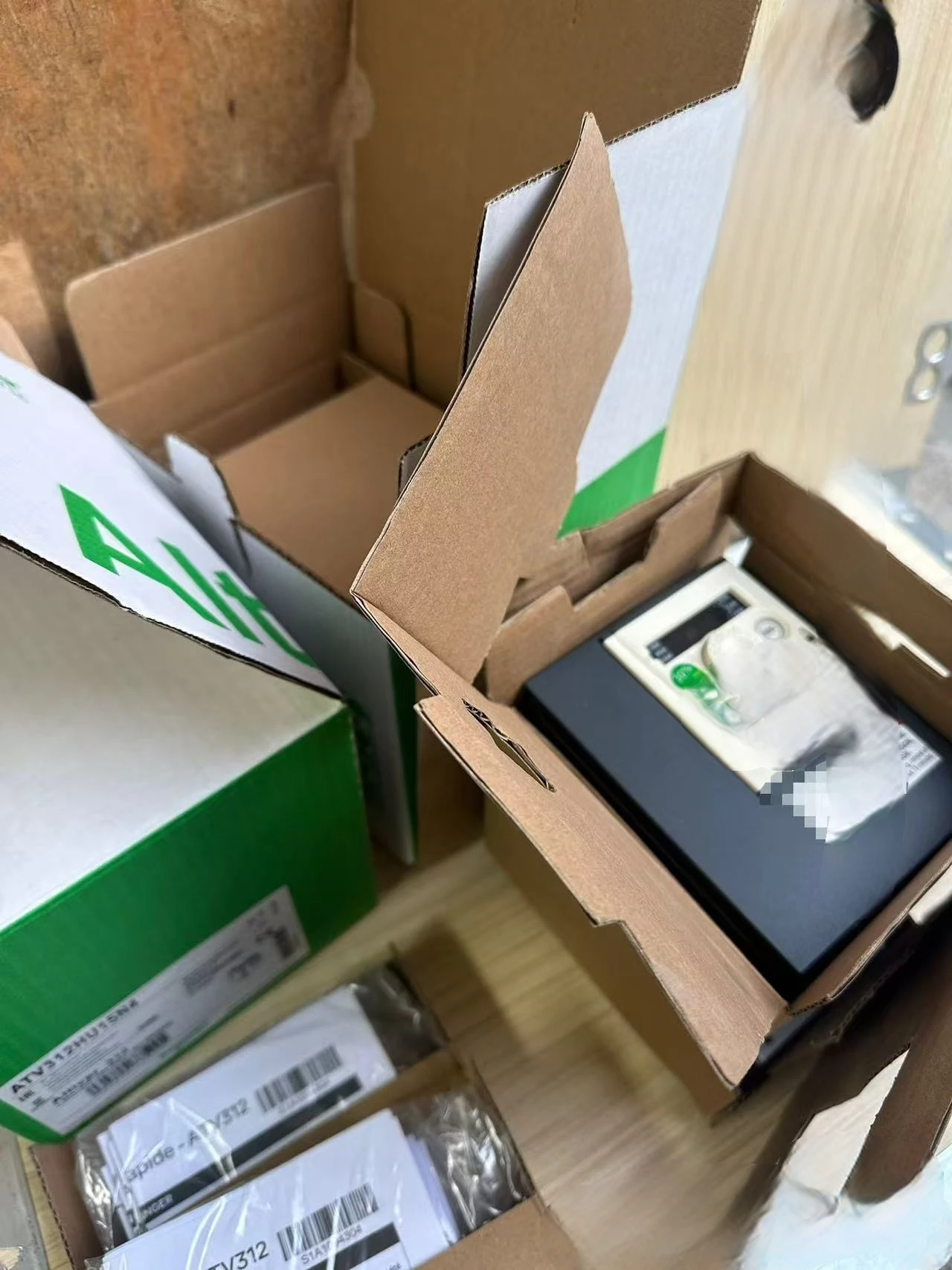
CAPT has a wide role in food processing and facilitates industrial controls to ensure that everything operates smoothly, with safety being assured. These systems help food manufacturers in boosting their efficiency as well safety and allure them to a new era of food production. In this special guest feature, Yousi, considers the impact that industrial control relay systems have on food manufacturing and how they contribute to the sector's evolution.
Use of Industrial Control Systems in Food Processing
Think of it as the brains that run all aspects of a food processing plant which are no different from just another industrial control system. These are used to automate the process, monitor equipment and verify everything is running properly. The Electronic Components can also help regulate food production and incorporate sensors, computers and software to control temperature, pressure or ingredients used in making the technology.
Industrial Control Systems That Improve Efficiency and Safety
One of the most important benefits of industrial control systems in food processing is their ability to increase efficiency. Food manufacturers can make more food in less time when they automate tasks that used to be done manually. The above not only increases the productivity but also minimises human errors.
Apart from this, industrial control systems also help to maintain the food products safe. They are capable of monitoring for any deviations in the production process, such as changes in temperature or pressure, and alert operators to intervene when it is necessary. Industrial control systems prevent contaminated or spoiled food from reaching consumers by catching potential issues early.
Automation and Industrial Control Systems
In this case, automation is one of the major aspects of industrial control systems used in food processing because of it allow for well predicable end product that can be mass produced and would be less susceptible to being tamper with. These systems use sensors and actuators to change settings automatically, keeping the optimal conditions for food production. A batch of food that is being cooked too quickly can be dropped a temperature to avoid burning.
Automation brings speed to the production but this ensures high and consistent quality of the final product. Industrial programmable controllers systems improve food security, it eliminates the risk of cross-contamination and expands uniformity in every batch of food.
A new frontier: Transforming food manufacturing through Industrial Control Systems
Industrial control systems are benefiting food processing, automating functions and optimizing performance. Thanks to these systems, food manufacturers are able to produce more food in less time, as well without/compromising quality and safety.
Industrial control systems are also enhancing efficiency but they are also helping food manufacturers to meet changing customer demands at a faster pace. More importantly, however, they enable organizations to adapt their production processes to cater the ever changing demands of their customers by automating what was once manual work.
Advantages of Industrial Control Systems on Food Processing
Benefits of Using Industrial Control Systems in Food Processing The resulting systems not only boost the efficiency but also increase safety in food manufacturing, which in turn will revolutionize food manufacturing. Food safety and quality is enforced by industrial control systems that automate processes, oversee machinery, and exercise quality control to guarantee consumers receive safe food products.
Industrial control systems are one the most important tools that food manufacturers need to take advantage of if they want to stay competitive in this fast-paced industry. These systems have allowed companies like Yousi to achieve better production processing and improved productivity while catering for consumer needs more appropriately.