
 EN
EN
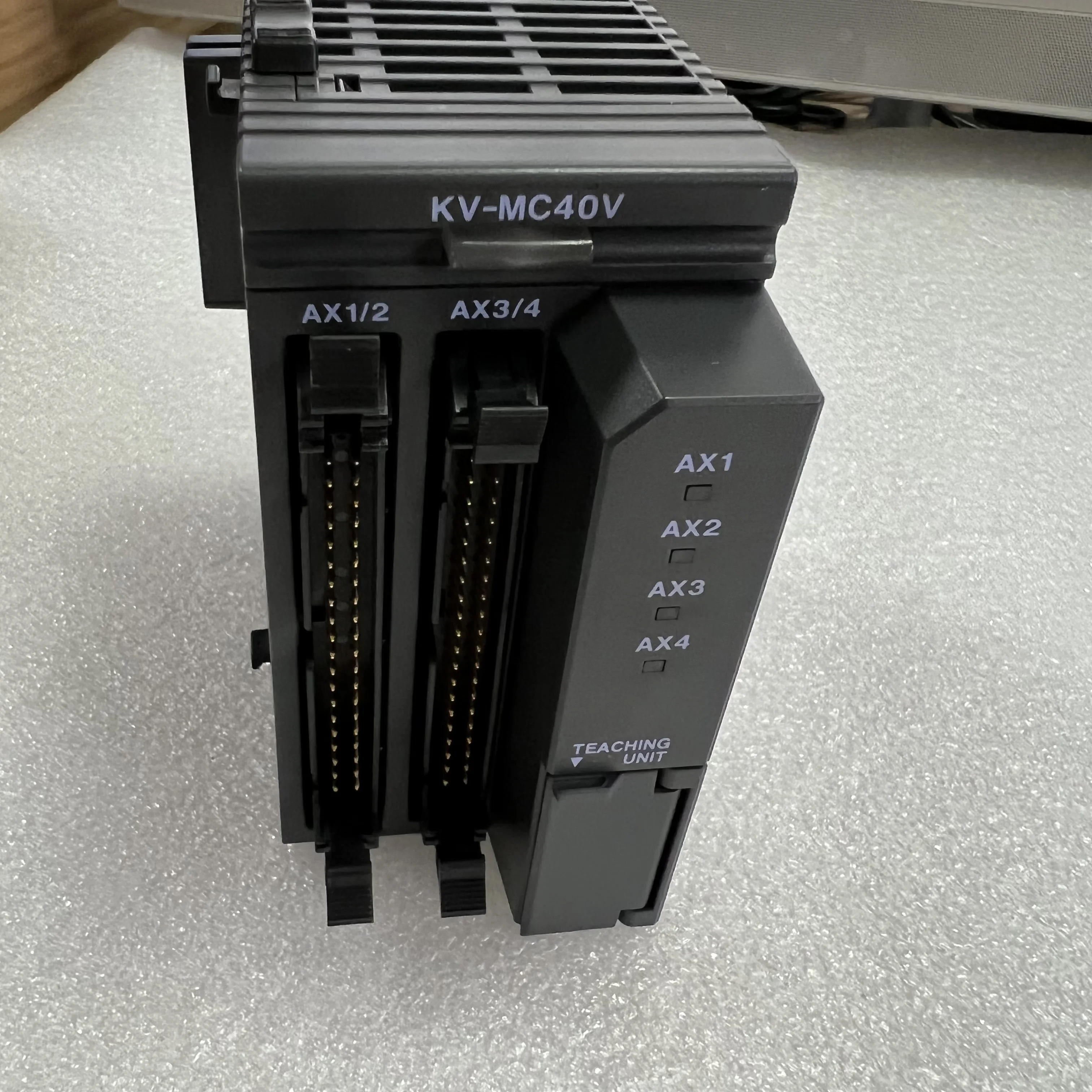
When it comes to making things move, motor control is a big deal. Whether it is a toy car, a robot, or a fan the ability to control motors as per real-time requirements makes these devices operate in the desired way.
Basics of Motor Control Stream
Before we start off with the various methods of different techniques for motor control, let us first have a little dig into how motors work. A motor is a machine that converts electric energy into mechanical movement, so that it can make things shift or rotate.
Different ways to control a motor
There are a few different methods for inverter motor control and each of them have their own pros and cons. One of the most common ways is called the pulse width modulation (PWM) and it adjusts the power sent to a motor by changing a gradual balance between high speed and low torque or vice versa.
Various Motor control methods in a nutshell
Apart from the PWM and analog control, there are several popular motor control methods used across multiple applications. In sensor less control, for instance, the hybrid inverter controller needs no additional feedback from the motor itself to regulate speed and direction.
Pros and cons of motor control methodologies
Some advantages and disadvantages are for each motor control method. EG: PWM works well for applications that need to achieve finely controlled speed, but is more challenging to implement. Analog control in contrast is easy and cheap, yet limited compared other methods.
Selecting the Right Motor Control Technique
There are some guidelines that need to be kept in mind when choosing the motor control method for any application, which stems from the requirements and constraints of the project as indicted. Closed-loop control may be the best choice if precision is critical.
Conclusion
Motor control is fundamental to movement. So with a hybrid solar inverter basic knowledge of motor control and our plethora of techniques from which to draw, you can select the best method for your application and make devices move as they should.